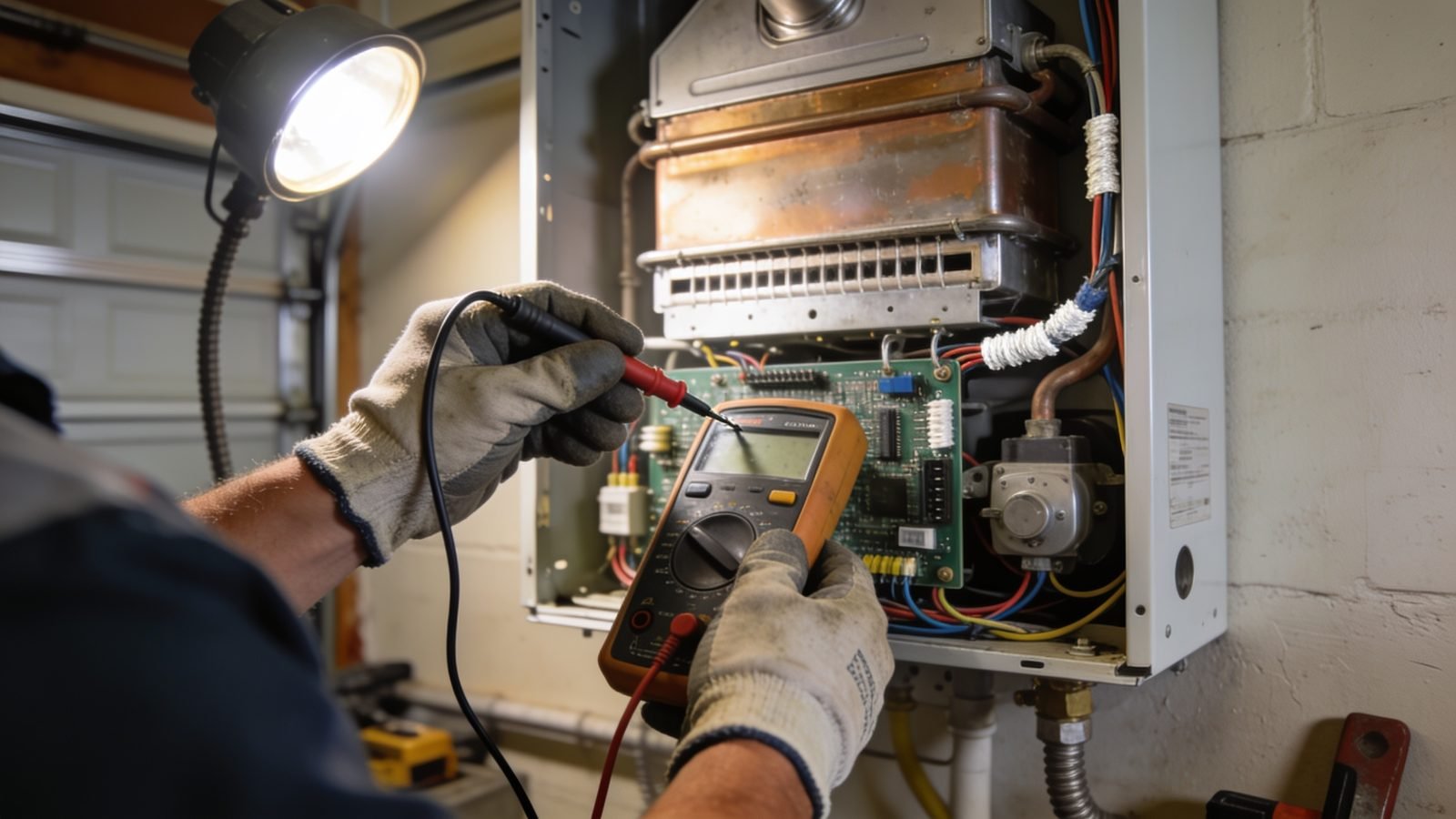
Tankless Water Heater Repair
Error codes, cold sandwiches, no ignition, dropping flow — diagnosed and fixed, usually in one visit.
Learn more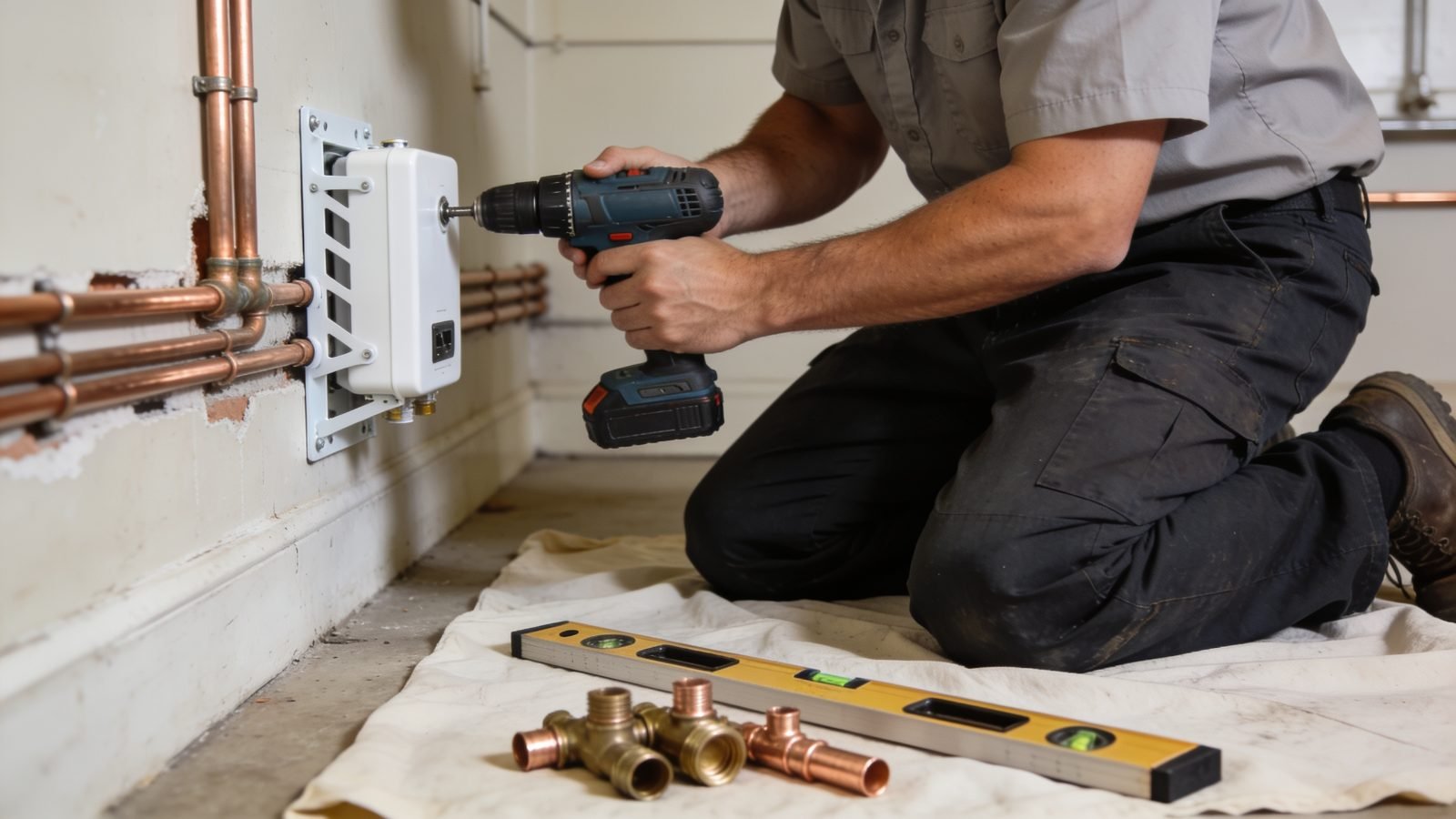
New tankless units installed, sized and permitted — gas or electric, garage, closet or exterior wall.
Installing a tankless water heater is not a swap. The tank comes out, and what replaces it needs a gas line that can feed it, a sealed vent to the outside, a condensate path, a power outlet, and isolation valves so it can be serviced. Skip any one of those and you get a unit that either short-cycles, throws codes in winter, or cannot be maintained without a plumber cutting into copper.
We quote all of it up front. The sizing visit takes about thirty minutes: we check the gas meter and line size, measure the run to a suitable exterior wall, look at your panel if the unit is electric, and count what actually runs at once in your house on a January morning.
Tell us the house, the fuel, and what is going wrong. Most quotes need five minutes on the phone and a photo of your current heater.
We check gas line size, venting route, electrical capacity and your peak hot water demand, then put a fixed price in writing.
Most changeovers take four to eight hours. Gas line or venting upgrades can add a day. We protect floors and haul the old tank away.
We meet the city inspector, walk you through the controller, and set your first descaling reminder.
| Scope of work | Typical range |
|---|---|
| Gas tank to gas tankless, existing 3/4-inch line, easy vent | $3,200 - $4,200 |
| Gas tank to gas tankless, gas line upsize required | $4,200 - $5,500 |
| Tankless to tankless replacement, same location | $2,000 - $3,400 |
| Second unit for a large or multi-zone home | $2,800 - $4,000 |
| Electric point-of-use unit for a bathroom or addition | $650 - $1,400 |
| Attic or crawlspace relocation to garage wall | add $400 - $900 |
Estimates, not quotes. Planning ranges for a typical single-family home, permit included. Your written quote is fixed before work starts.
Gas line size is the number one cost driver here. Austin homes built before the 1990s were commonly plumbed with a half-inch line to the water heater, sized for a 40,000 BTU tank. A 199,000 BTU tankless unit needs 3/4-inch, sometimes a meter upgrade from Texas Gas Service. We check that before quoting, not after starting.
Venting is the second. Condensing units use PVC and can run longer, which matters in two-story homes where the heater sits in an interior closet. Non-condensing units need stainless and a short run to an exterior wall, which usually means the garage.
Texas Gas Service has historically offered residential rebates for high-efficiency tankless equipment in its Austin service territory. Programs and amounts change year to year, so ask us for the current form rather than trusting a number you read somewhere.
Four to eight hours for a straightforward gas changeover. If the gas line needs upsizing or the vent has to go through a two-story wall, plan on a full day and occasionally a second morning. We tell you which one you are before the day starts.
Almost never. Single-day installs are finished with hot water running the same evening. On the rare two-day job we leave the old tank connected overnight where it is physically possible.
It can, and in Austin we usually recommend against it. Outdoor units rely on electric freeze protection, which fails during exactly the kind of grid event that causes the freeze. A garage wall with a short vent run is the better location nine times out of ten.
We install the major condensing brands — Rinnai, Navien, Rheem and Noritz — and choose based on your gas line, vent route and demand rather than on what we bought in bulk. If a brand is wrong for your house we will say why.
Error codes, cold sandwiches, no ignition, dropping flow — diagnosed and fixed, usually in one visit.
Learn more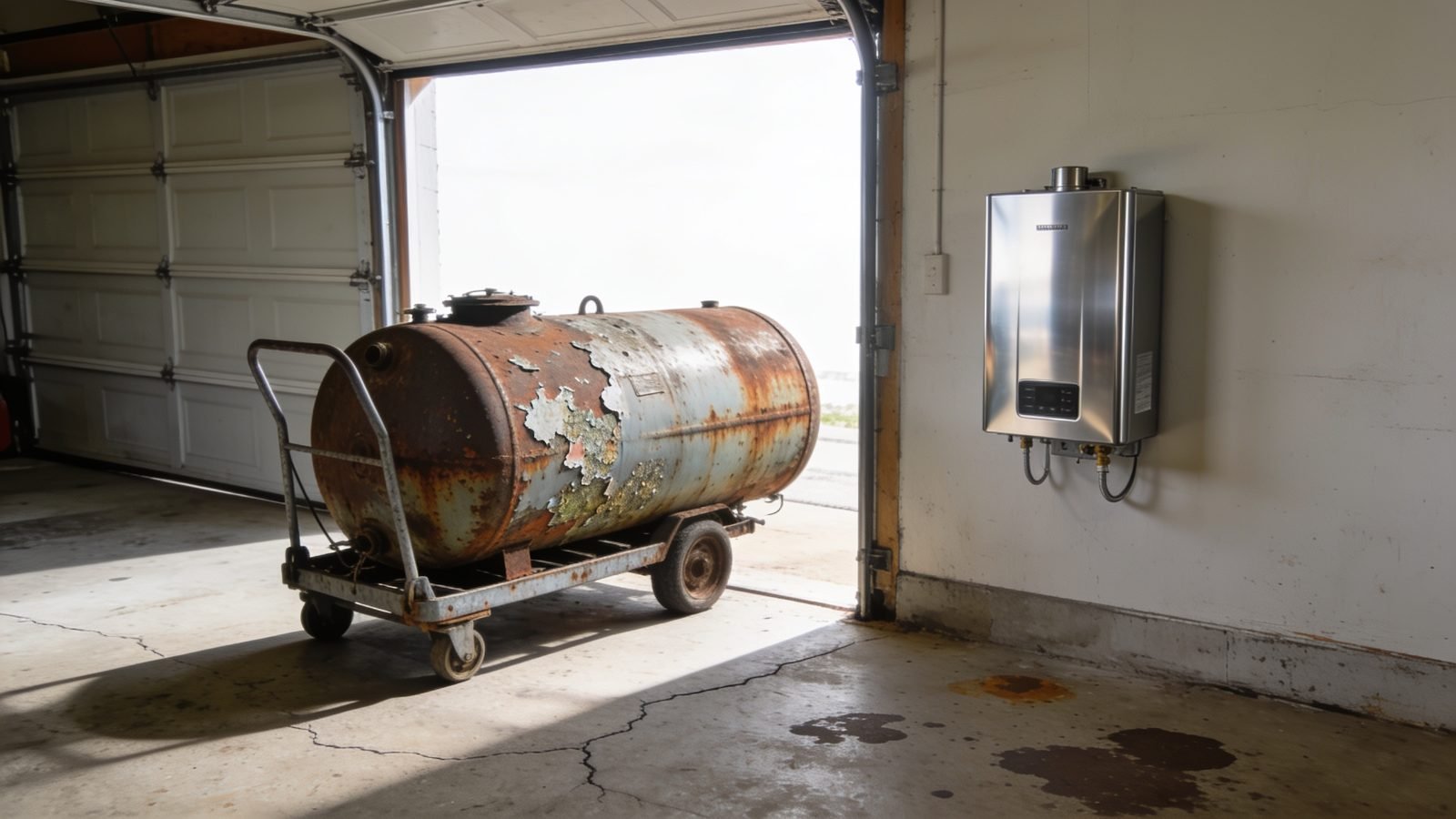
Old tank or worn-out tankless unit swapped for the right size, with the venting and gas work brought up to code.
Learn more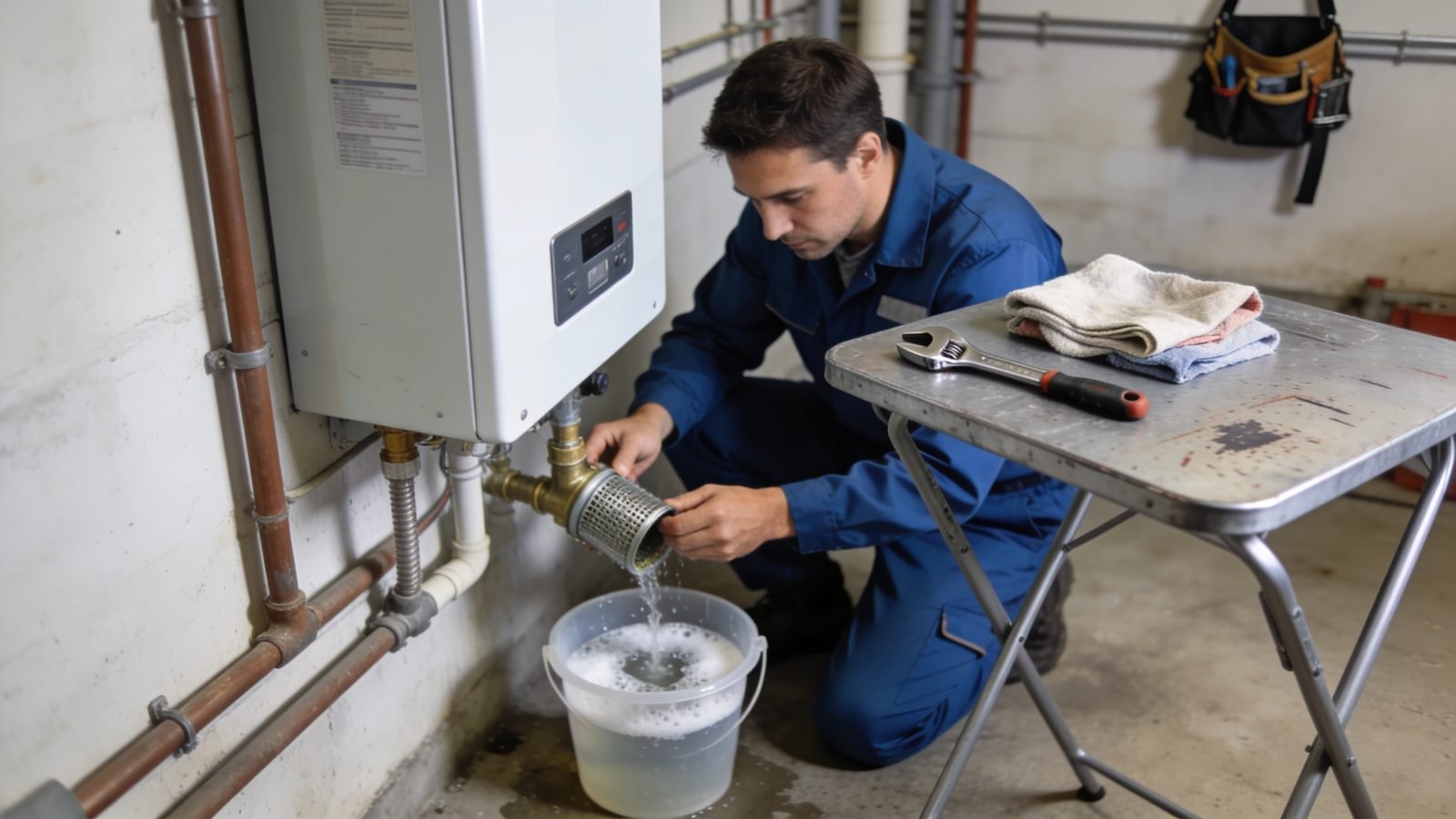
The annual service that keeps the warranty valid: flush, filter, burner, venting, controller and safety checks.
Learn more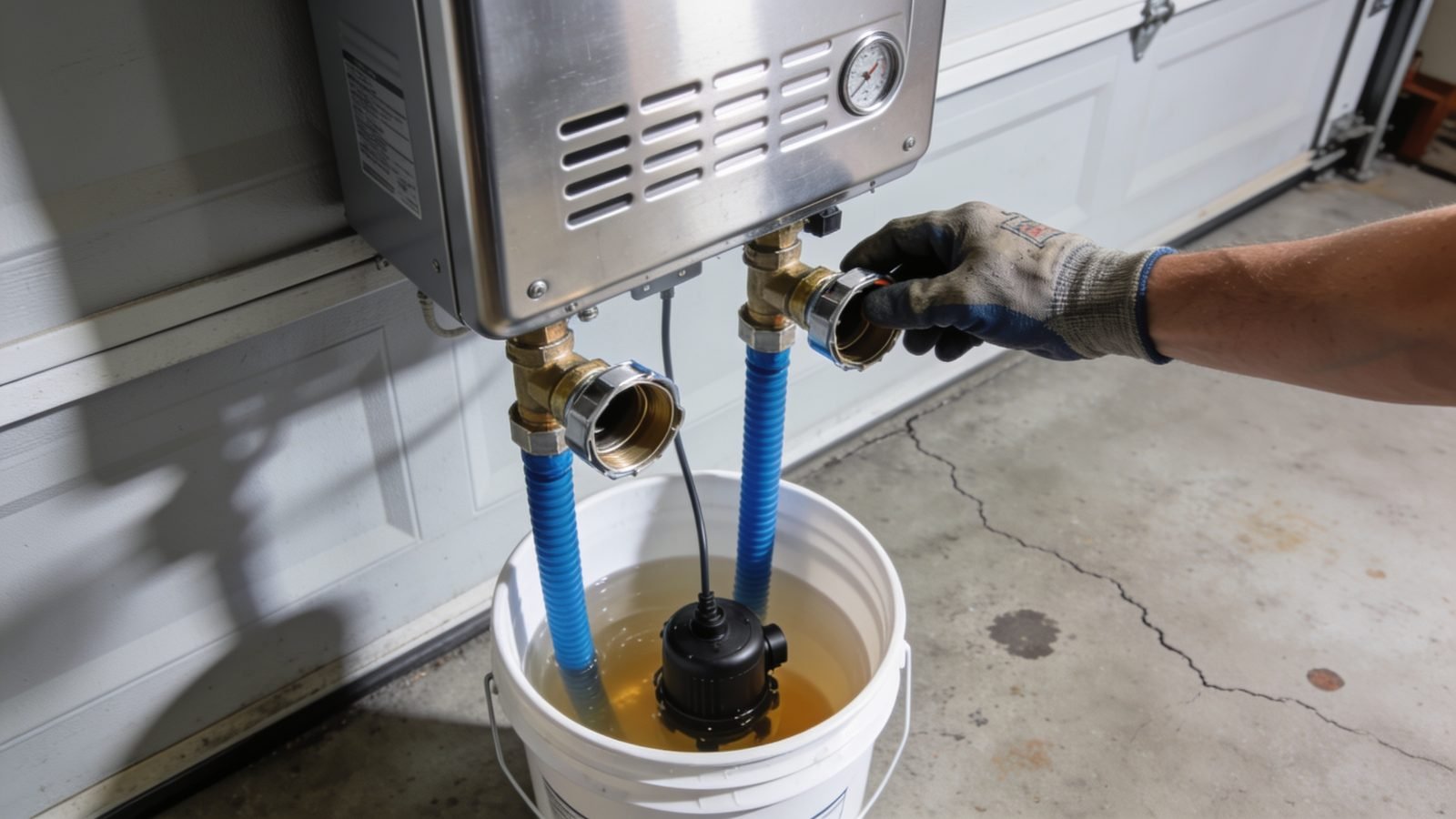
A proper circulating vinegar or solution flush that pulls Central Texas scale out of the heat exchanger.
Learn more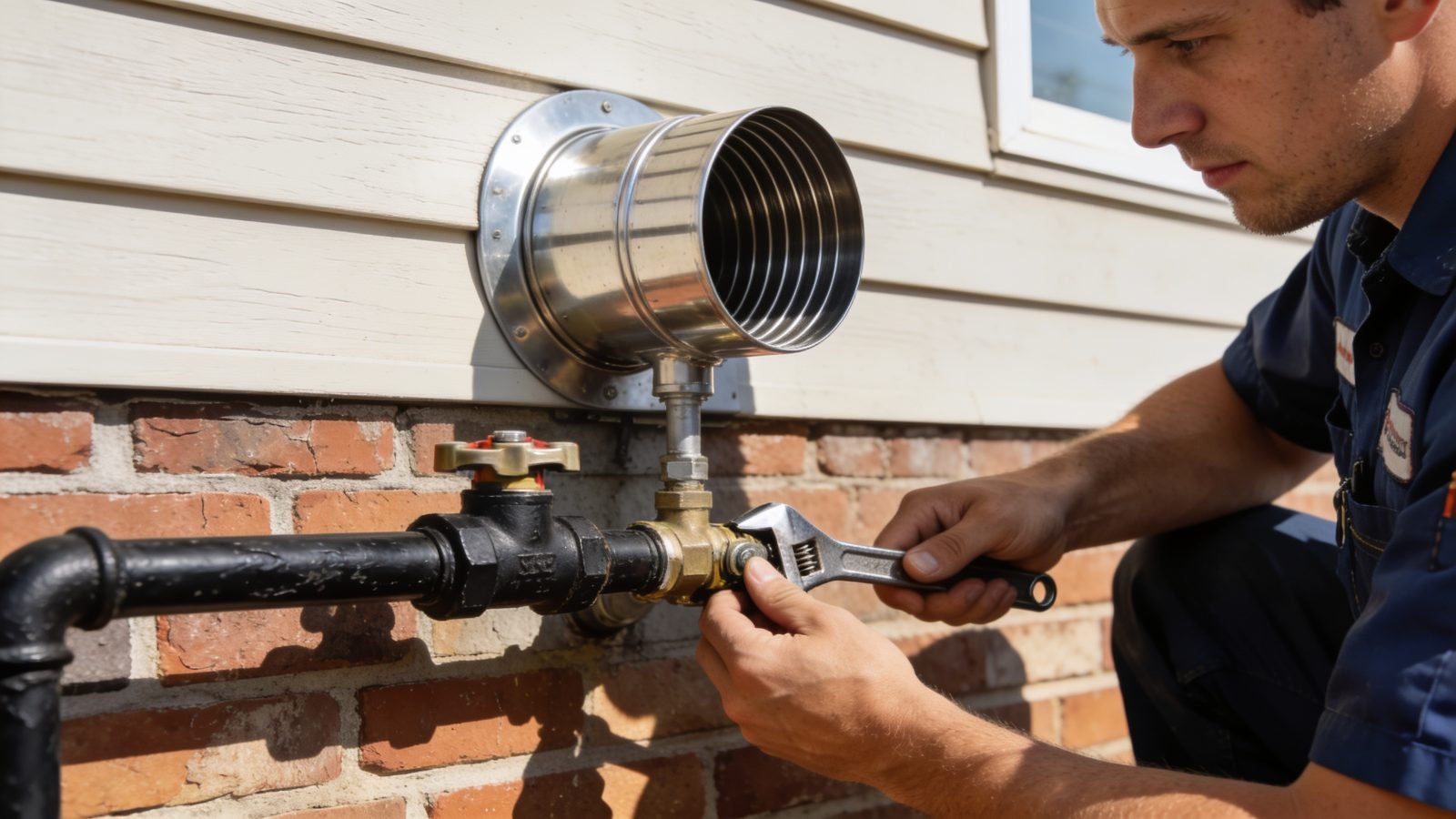
Natural gas and propane units: line sizing, meter capacity, sealed venting and combustion set-up done properly.
Learn moreSend the details and we will come back the same working day with a clear next step — not a sales call.