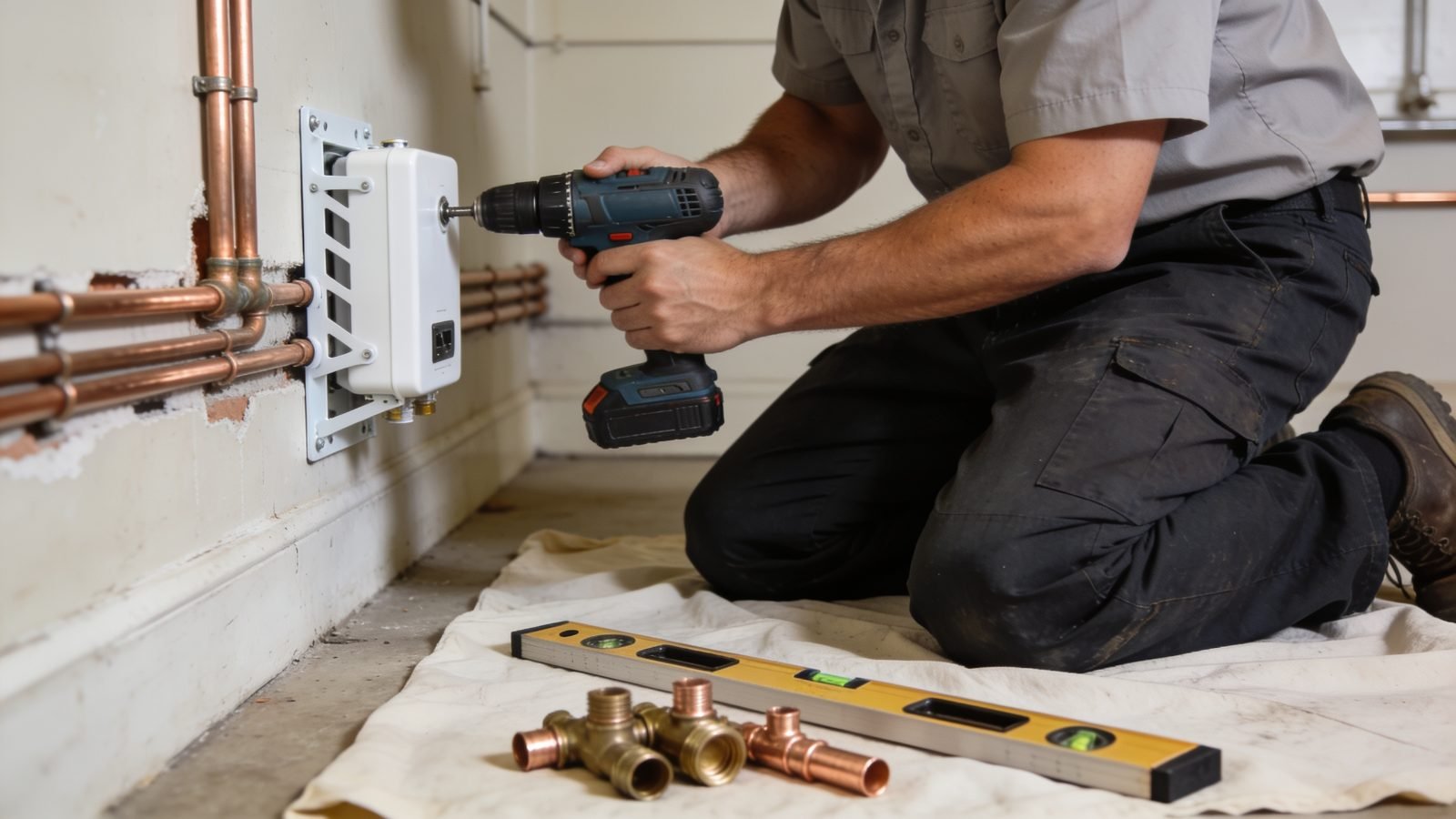
Tankless Water Heater Installation
New tankless units installed, sized and permitted — gas or electric, garage, closet or exterior wall.
Learn more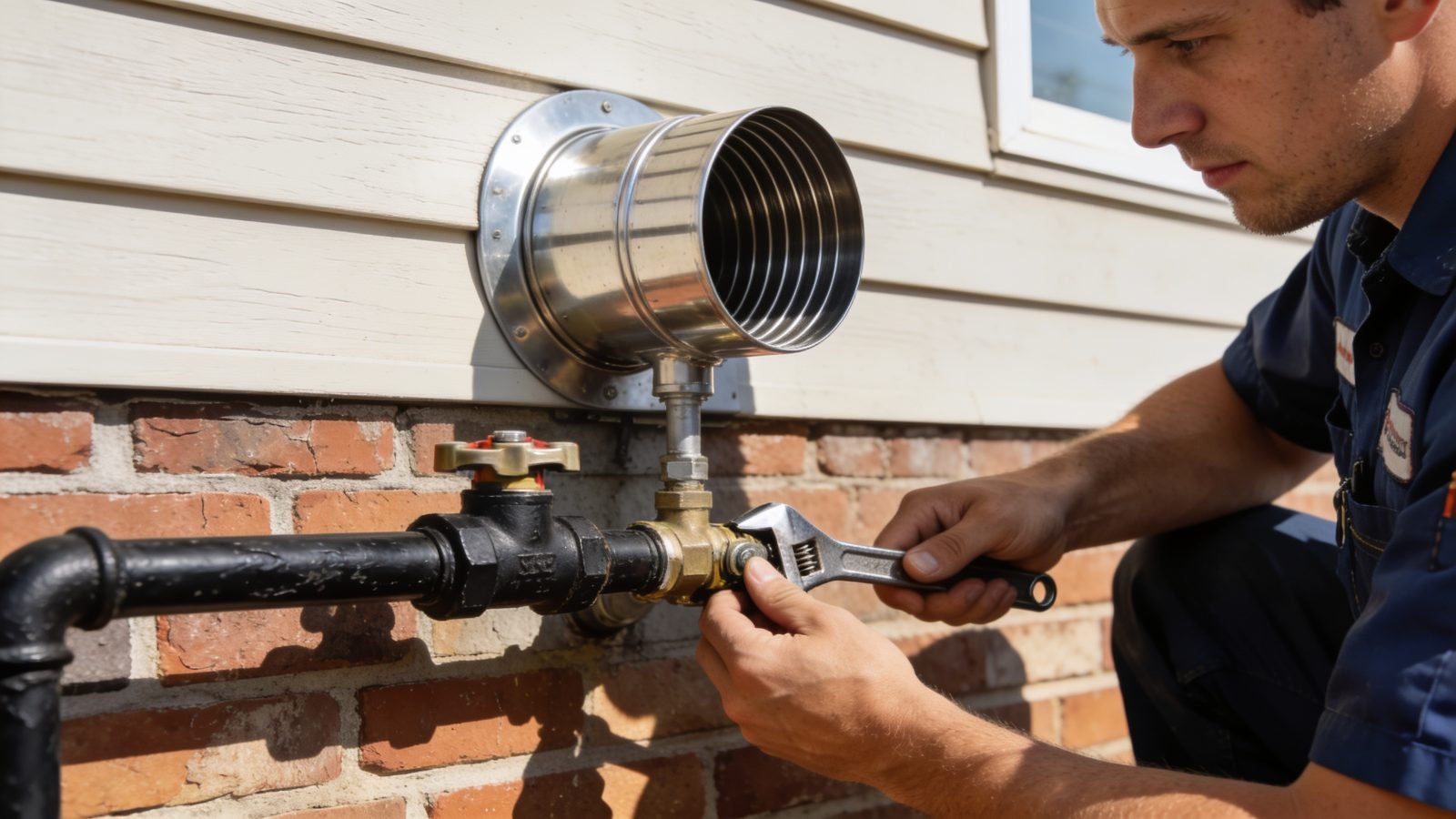
Natural gas and propane units: line sizing, meter capacity, sealed venting and combustion set-up done properly.
Gas is the right fuel for whole-home tankless in Austin. A single condensing gas unit delivers the flow a family actually needs in winter, and it does it without touching your electrical panel. The catch is everything upstream of the heater: line size, meter capacity, and a vent that satisfies both the manufacturer and the inspector.
This page is about that upstream work, because it is where the price differences and the bad installs both come from.
Tell us the house, the fuel, and what is going wrong. Most quotes need five minutes on the phone and a photo of your current heater.
We check gas line size, venting route, electrical capacity and your peak hot water demand, then put a fixed price in writing.
Most changeovers take four to eight hours. Gas line or venting upgrades can add a day. We protect floors and haul the old tank away.
We meet the city inspector, walk you through the controller, and set your first descaling reminder.
| Scope of work | Typical range |
|---|---|
| Gas tankless install, existing 3/4-inch line, short vent | $3,200 - $4,200 |
| Gas line upsize from half-inch, typical run | add $600 - $1,400 |
| Long or two-story vent run | add $300 - $800 |
| Meter upgrade coordination with the utility | varies by utility |
| Propane conversion kit and set-up | add $150 - $350 |
| Recirculation pump and dedicated return line | add $600 - $1,800 |
Estimates, not quotes. Planning ranges for the Austin metro, permit included.
Most of Austin proper and the older suburbs are served by Texas Gas Service; parts of Williamson County are served by other providers, and a number of newer subdivisions out west and north are propane rather than natural gas. Propane changes the orifice, the regulator and the sizing, and it is worth knowing which you have before anyone quotes you.
If your house was built before the mid-1990s, assume the line to the water heater is half-inch until we measure it. If your gas meter already feeds a furnace, a range, a dryer and a pool heater, the load calculation matters as much as the line — and that is a calculation, not a guess.
We measure it and run the load calculation for the whole house. Half-inch iron to the heater is the common finding in pre-1990s Austin homes and it will not carry a full-size tankless unit.
No. The controller, fan and igniter all need electricity, so a standard unit is dead in an outage. A small generator or battery backup on that circuit is the workaround, and it is worth doing here.
Condensing, in almost every Austin install. It is more efficient, it vents in PVC which gives you more placement freedom, and the price gap has narrowed to the point where non-condensing rarely wins.
Yes. Propane units need the conversion kit fitted and the combustion set up for LP — it is a different commissioning, not just a different tank.
New tankless units installed, sized and permitted — gas or electric, garage, closet or exterior wall.
Learn more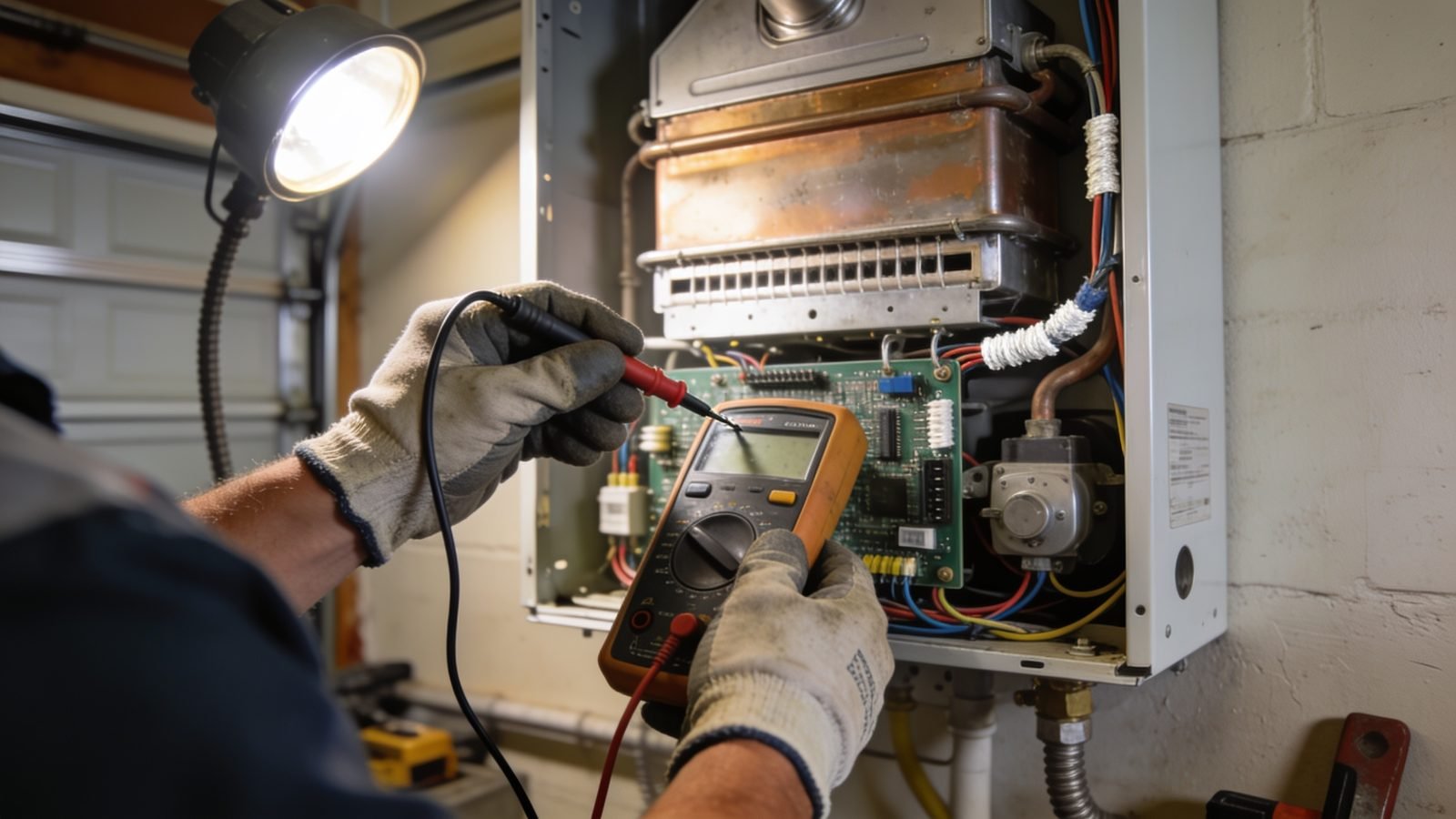
Error codes, cold sandwiches, no ignition, dropping flow — diagnosed and fixed, usually in one visit.
Learn more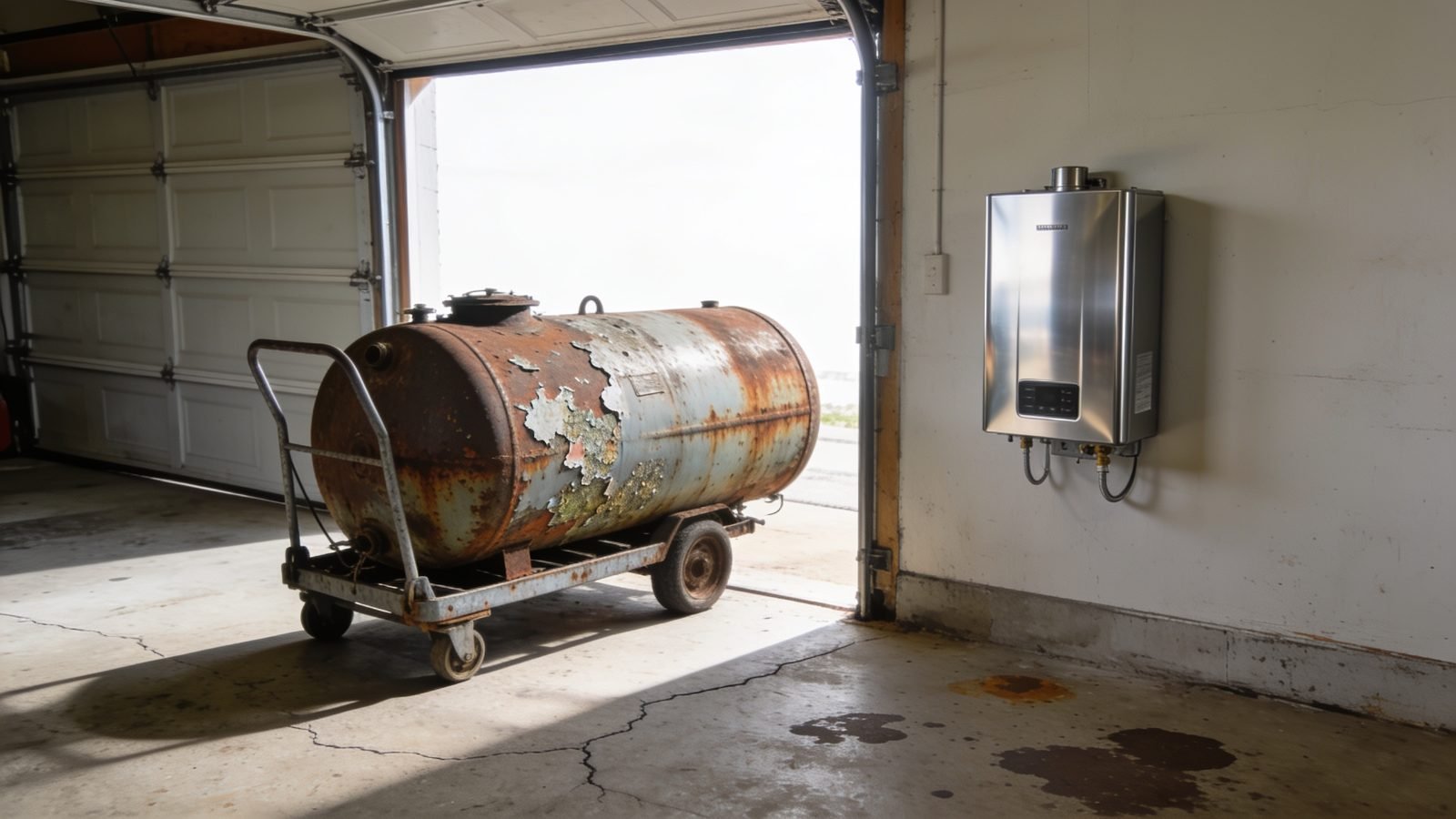
Old tank or worn-out tankless unit swapped for the right size, with the venting and gas work brought up to code.
Learn more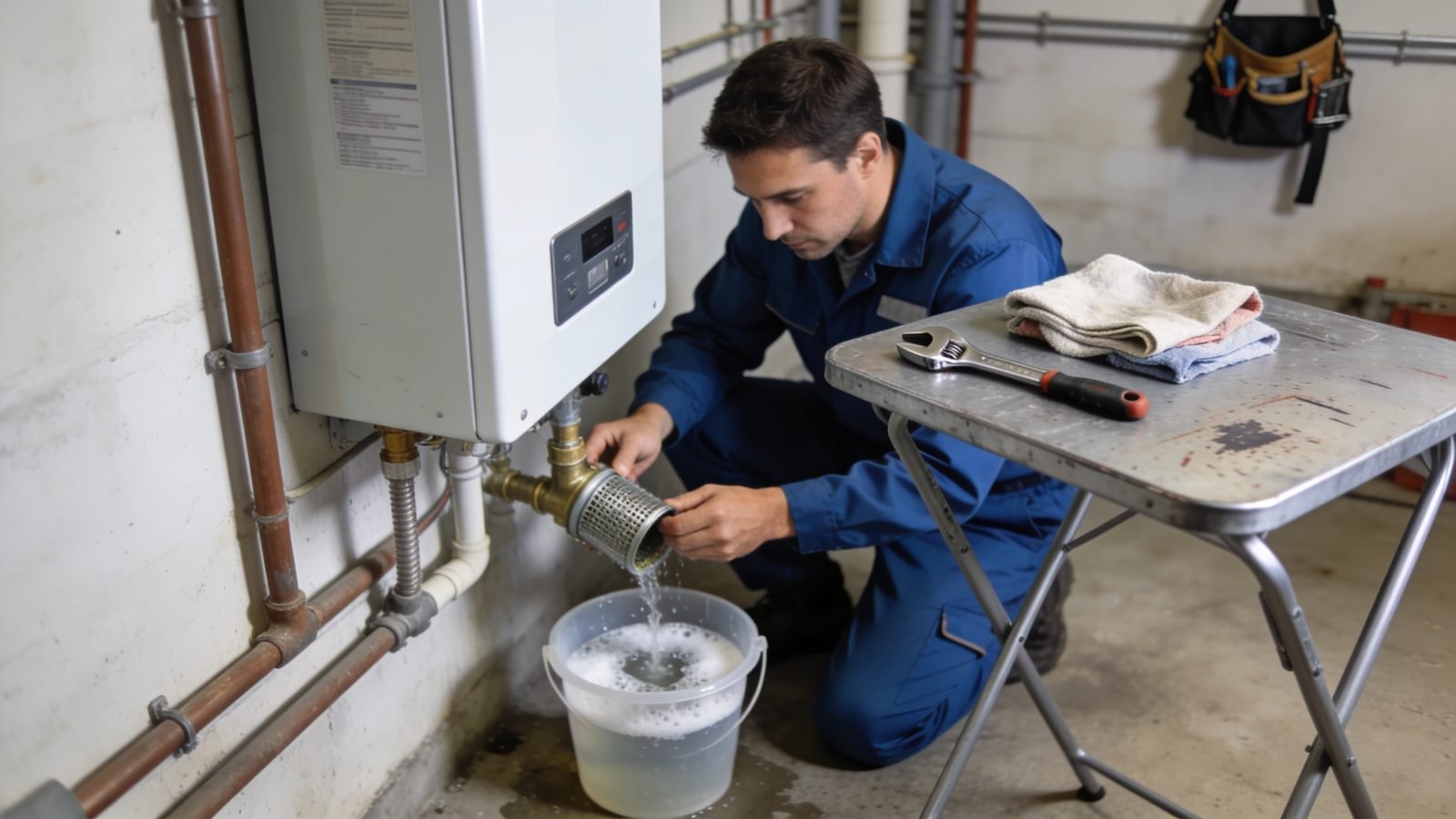
The annual service that keeps the warranty valid: flush, filter, burner, venting, controller and safety checks.
Learn more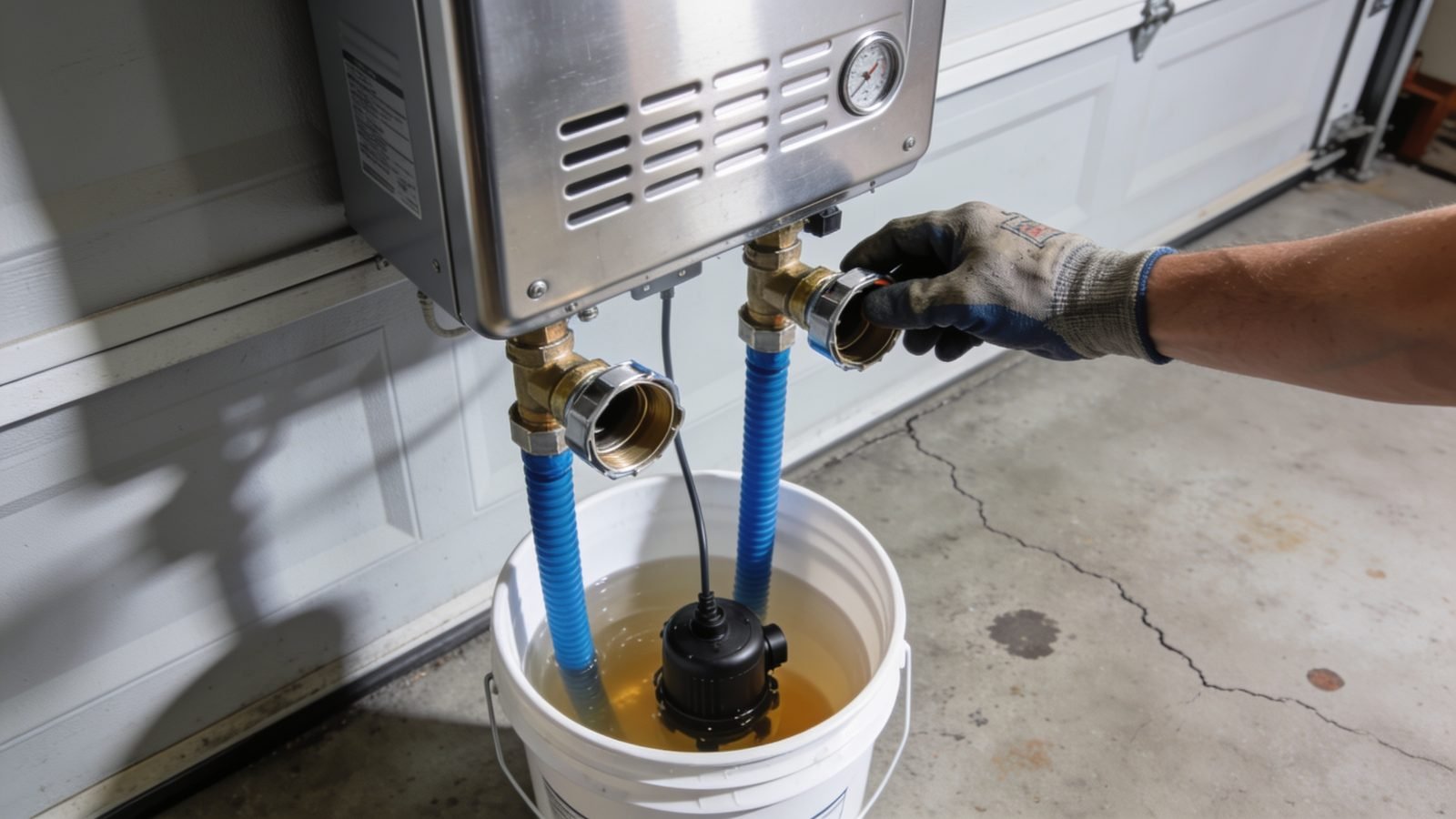
A proper circulating vinegar or solution flush that pulls Central Texas scale out of the heat exchanger.
Learn moreSend the details and we will come back the same working day with a clear next step — not a sales call.